
- By SLHub Reporter
- In LIFE STYLE
- Posted 15 Apr 2025
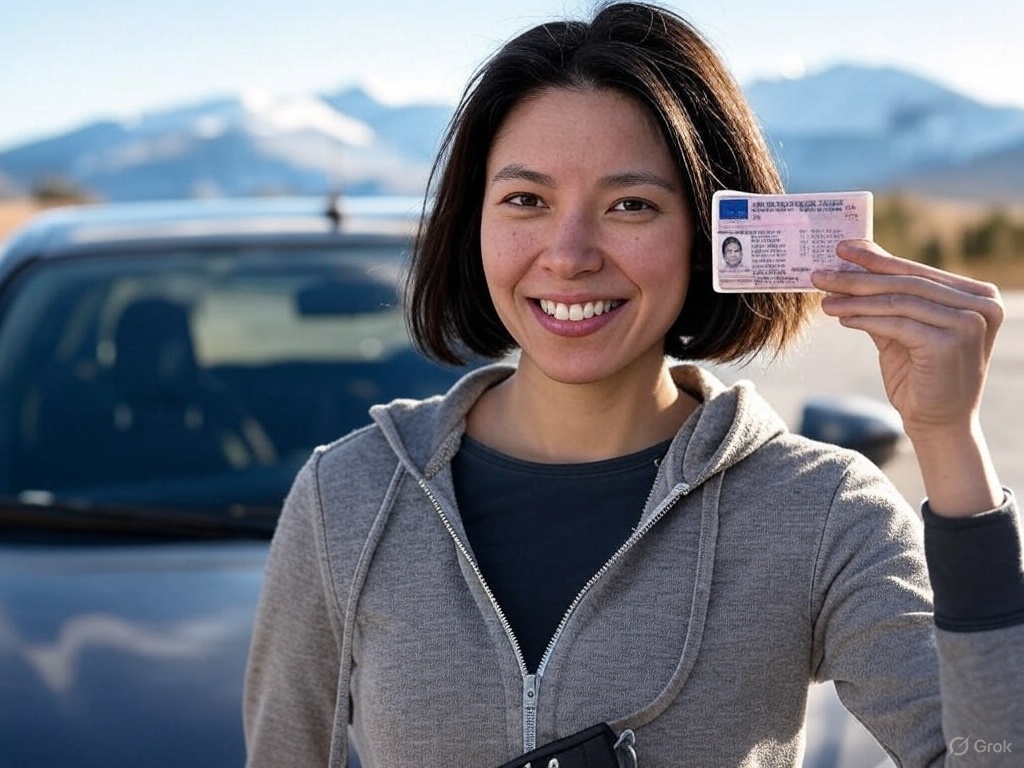
How to Obtain a Driver’s License in Canada: A Simple Step-by-Step Guide for New Drivers
Ready to hit the road in Canada? Whether you’re a newcomer, a student, or a young driver, getting your driver’s license is an exciting milestone! But the process can feel a bit daunting with all the provincial rules and steps. Don’t worry—I’ve got you covered with this easy, engaging guide on how to obtain a driver’s license in Canada. Let’s break it down into manageable steps so you can get behind the wheel with confidence. Plus, I’ll share some tips to make the journey smoother!
"Why You Need a Canadian Driver’s License "
To legally drive in Canada, you’ll need a driver’s license issued by the province or territory where you live. While you might be able to use a foreign license for a short period (usually 60-90 days, depending on the province), you’ll need a Canadian license for long-term driving. A Canadian license also lets you drive anywhere in the country and is often recognized internationally due to various agreements. Let’s get started on securing yours!
"Step 1: Understand Your Province’s Requirements "
Canada’s driver’s licensing process varies by province or territory because each has its own rules. Most provinces use a graduated licensing system, which means you’ll progress through stages (like learner, probationary, and full license) to build your skills gradually. Here’s what you need to know:
- Age Requirement: You must be at least 16 years old to apply in most provinces, though some allow learners at 14 or 15 for specific permits (e.g., Nova Scotia’s Class 7 learner’s permit at 14).
- Residency: You’ll apply in the province where you reside. New residents typically have 60-90 days to switch their foreign or out-of-province license.
- Basic Tests: Expect a vision test, a written knowledge test, and eventually a road test.
Tip: Check your province’s transportation ministry website (e.g., Ontario’s MTO, Alberta.ca, or SAAQ in Québec) for specific details.
"Step 2: Study for the Knowledge Test "
The first step to getting your license is passing a written knowledge test on the rules of the road, traffic signs, and safe driving practices. Here’s how to prepare:
- Get the Official Guide: Each province has a driver’s handbook (like Ontario’s MTO Driver’s Handbook or Québec’s SAAQ guide). You can buy it at service centers or access it online.
- Study Smart: Focus on road signs, speed limits (e.g., 50 km/hr in cities, up to 120 km/hr on highways), and key laws like zero blood alcohol for new drivers.
- Practice Online: Many provinces offer free online practice tests. For example, in British Columbia, you can use ICBC’s “Learn to Drive Smart” guide and practice tests.
Fun Fact: You’ll need to score around 80% or higher to pass the knowledge test in most provinces. So, take your time to study!
"Step 3: Apply for Your Learner’s Permit "
Once you’re ready, head to your local licensing office (like ServiceOntario or ICBC in BC) to apply for your learner’s permit. Here’s what you’ll need:
- Identification: Bring a valid ID (e.g., passport, birth certificate, or permanent resident card).
- Fees: Be prepared to pay a fee—around $15 for the knowledge test in BC, or $158-$200 for a G1 license in Ontario.
- Pass the Tests: You’ll take a vision test and the written knowledge test.
If you pass, you’ll get a learner’s permit (e.g., G1 in Ontario, Class 7L in Alberta). This allows you to practice driving under specific conditions, like having a fully licensed driver with you and maintaining zero blood alcohol.
"Step 4: Practice Driving with Supervision "
Your learner’s permit lets you practice driving, but there are rules to follow:
- Supervision: You must drive with a fully licensed driver who has several years of experience (e.g., 4 years in Ontario).
- Restrictions: No driving at night in some provinces (e.g., midnight to 5 AM for Class 7 in Nova Scotia), and you may be limited on passengers.
- Log Hours: Some provinces, like Alberta, recommend practicing for a set period (e.g., 12 months) before the next step.
Pro Tip: Consider taking driving lessons from a certified school to build confidence and prepare for your road test. It can also reduce your probationary period in some provinces, like Alberta!
"Step 5: Pass Your Road Test for a Probationary License "
After practicing (usually for 12 months), you’re ready for your first road test to get a probationary license (e.g., G2 in Ontario, Class 5-GDL in Alberta). Here’s what to expect:
- Road Test Basics: You’ll be tested on safe driving skills, like parking, merging, and following traffic rules.
- Health Check: Some provinces may recheck your vision or health during this stage.
- Cost: Fees vary—around $50 in BC for the road test.
If you pass, you’ll get a probationary license with fewer restrictions, allowing you to drive solo but still with rules like zero blood alcohol and limited demerit points.
Note: Don’t stress if you don’t pass on your first try—road tests in Canada can be strict, and many people need a second attempt.
"Step 6: Upgrade to a Full License "
After a probationary period (typically 1-2 years), you can upgrade to a full license (e.g., Class 5 in Alberta, full G in Ontario). Here’s how:
- Experience: You’ll need to have driven without suspensions or demerits during your probationary period.
- Final Road Test: Some provinces, like Ontario, require a second road test for a full G license, though Alberta removed this requirement as of April 1, 2023.
- Enjoy the Freedom: With a full license, you can drive without restrictions (except for universal laws like wearing a seatbelt and driving on the right side of the road).
"Bonus Tips for Newcomers with Foreign Licenses "
If you have a valid foreign driver’s license, you might be able to exchange it for a Canadian one without starting from scratch. Here’s the deal:
- Reciprocal Agreements: Provinces like BC, Alberta, and Québec allow exchanges without tests if your license is from countries like the US, Australia, or Germany, and you have at least 2 years of driving experience.
- International Driving Permit (IDP): If your license isn’t in English or French, get an IDP from your home country before arriving—it’s a translation that makes your license valid for up to 6 months in Québec.
- Time Limit: You typically have 60-90 days to exchange your license after becoming a resident. For example, in Québec, you must exchange within 6 months.
"You’re Ready to Drive in Canada! "
Getting your driver’s license in Canada might take time, but it’s worth it to explore this beautiful country on your own terms. From passing your knowledge test to hitting the road with your full license, each step builds your skills and confidence. So, grab that driver’s handbook, practice those parallel parking skills, and get ready to cruise!

Comments
Post a Comment
Trending
-
Golden Opportunity to Enter the Retail Food Industry in Canada!
24 Mar 2025 / EVENTS -
How to Obtain a SIN Number in Canada: A Guide for Newcomers
6 Apr 2025 / IMMIGRATION -
Express Entry: IRCC invites PNP candidates in latest draw
11 Nov 2025 / IMMIGRATION -
Protests Against Donald Trump and Elon Musk Sweep the U.S.: What’s Driving the Movement?
6 Apr 2025 / NEWS
Latest Posts
-
Vesak Celebration Day
14 May 2026 / EVENTS -
Serendiva 2026 – Festival of Sri Lanka 🇱🇰
14 May 2026 / EVENTS -
ඒ කාලේ - DJ Night – Okanagan
13 May 2026 / EVENTS -
Rhythm of 70s – A Concert with Legends 🎶✨
13 May 2026 / EVENTS